
20 Mar Seeds, Skills and Shared Meals: A Food Literacy Journey in Newbridge
Over the past year, Neighbourhood Network has been working with partners in Newbridge to explore a simple but powerful question:
What happens when people grow food together, cook together, and learn together?
Through the Kitchen to Garden Food Literacy Programme, part of the Our Shared Plate initiative, participants from Newbridge Family Resource Centre and Platinum Clubhouse took part in a 12-week learning journey that connected growing food with cooking and everyday literacy and numeracy skills.
The programme was supported through the Adult Literacy for Life Collaboration and Innovation Fund and aimed to explore new ways of embedding literacy learning into practical, community-based activities.
Rather than learning in a classroom, participants learned by doing — planting seeds, preparing meals, sharing stories, and reflecting on their experiences around food.
Learning in the Garden
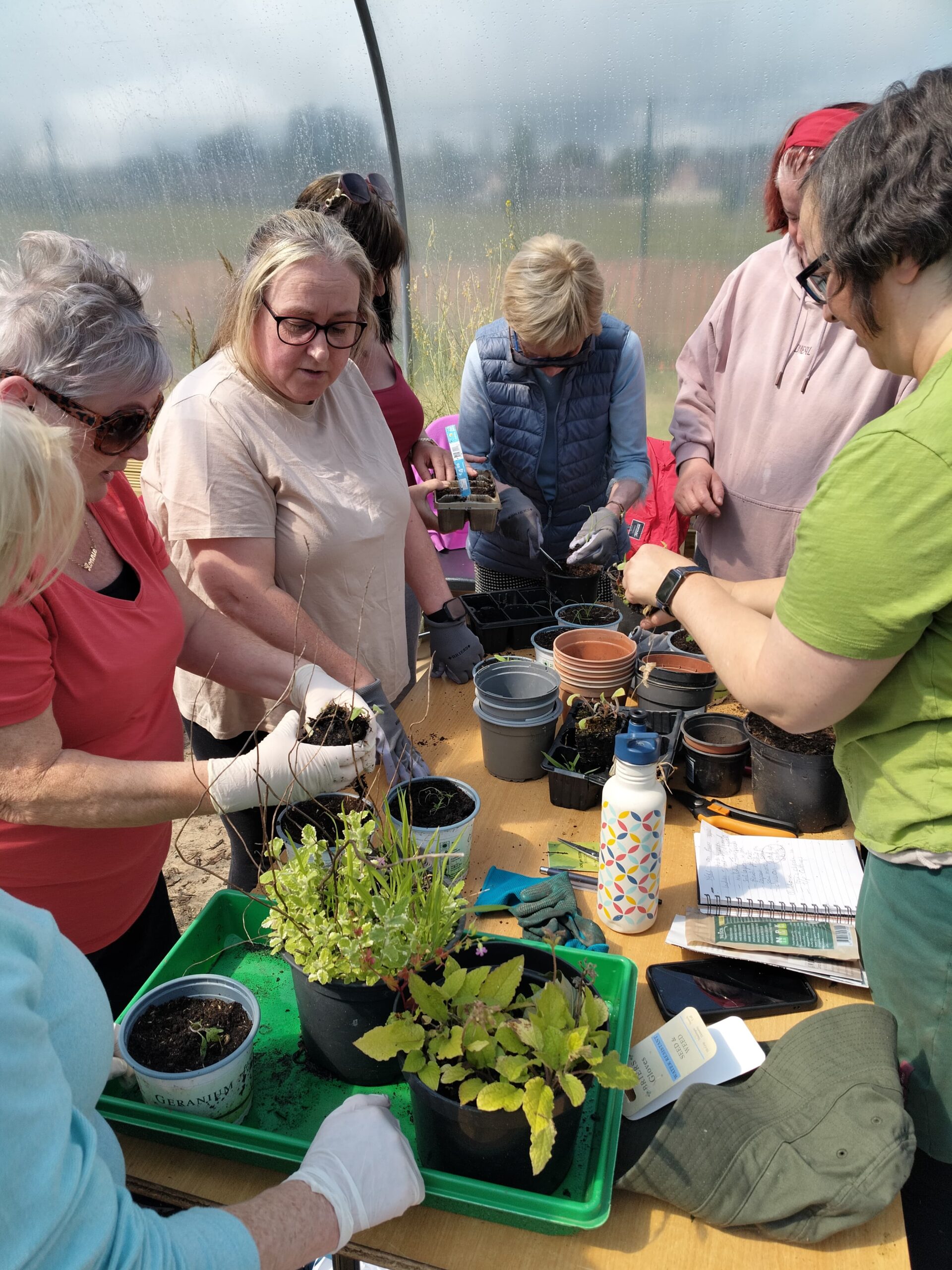
The programme began with six weeks of hands-on sessions in the community garden and polytunnel at Newbridge Family Resource Centre, led by organic horticulturist Lucy Bell.
Participants learned how to sow seeds, care for plants, understand soil health, and observe the growing process from seed to harvest. Alongside these activities, participants kept garden diaries to document their learning and reflect on their progress.
For many participants, it was their first experience growing food. Over the weeks, confidence grew alongside the plants as participants worked together to maintain the garden and learn new skills.
Lucy reflected:
“Watching confidence grow alongside the plants was incredibly rewarding. Participants took pride in learning new skills and supporting one another.”
Bringing the Harvest to the Kitchen
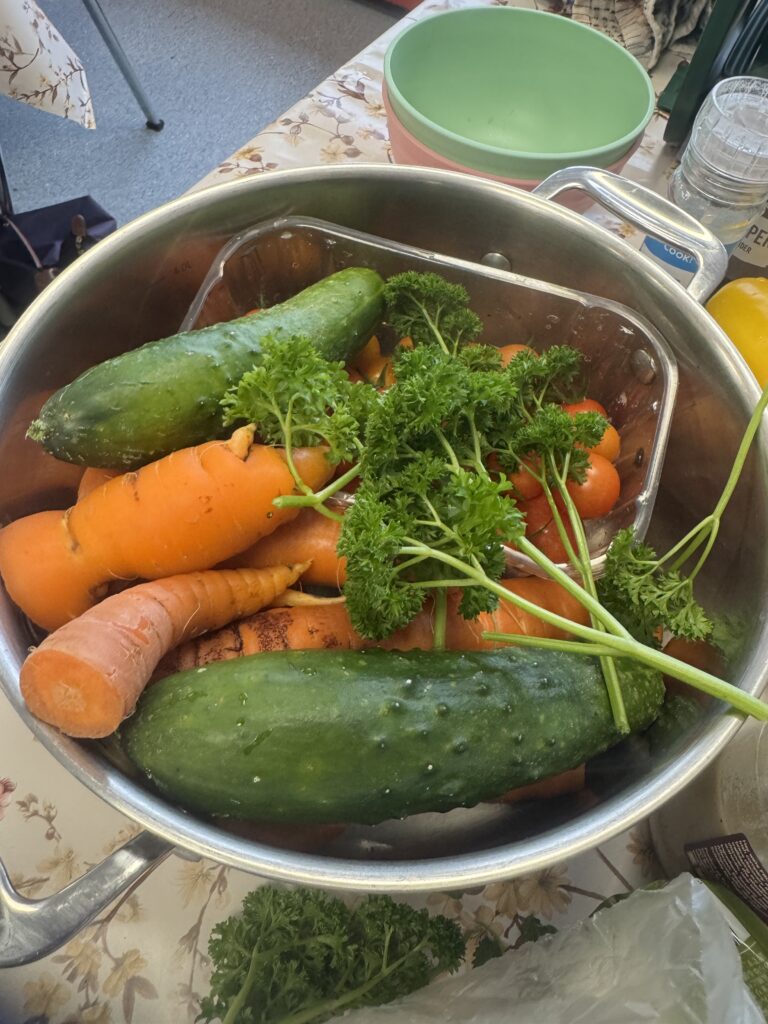
In the autumn, the programme moved indoors for six weeks of cooking workshops led by nutritionist and chef Mary-Claire O’Sullivan.
Participants learned practical cooking skills, meal planning techniques, and ways to prepare healthy, affordable meals using seasonal ingredients.
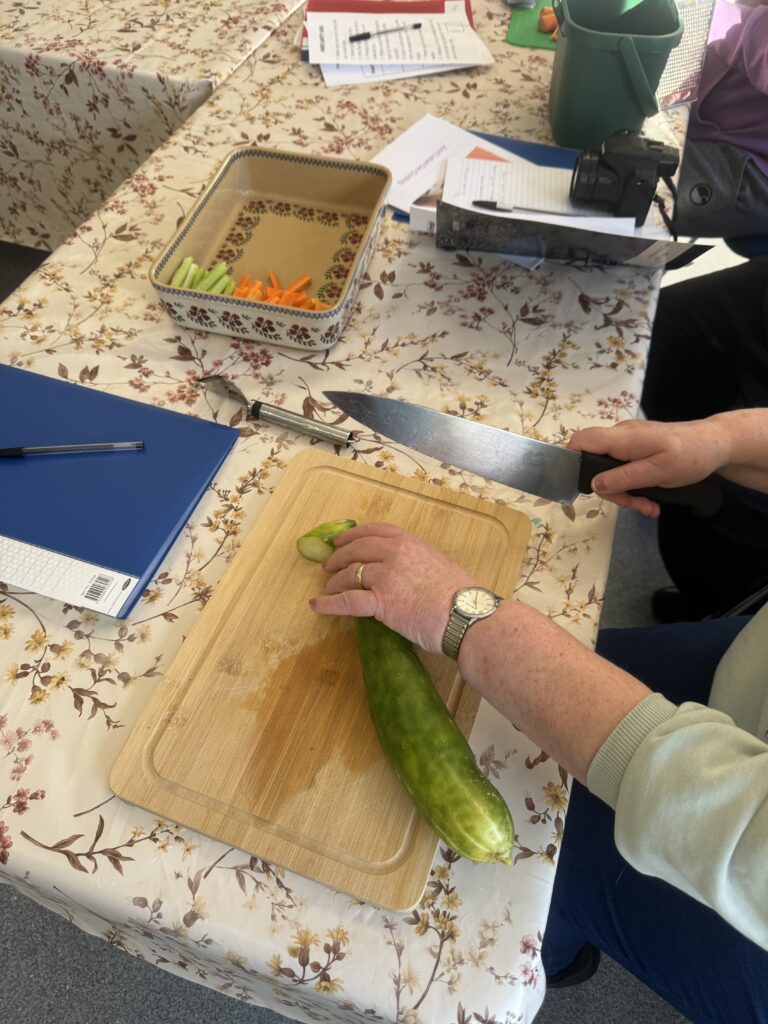
The sessions also explored everyday food decisions such as understanding food labels, reducing food waste, and preparing quick meals at home.
Mary-Claire noted:
“Linking cooking skills to food literacy made learning accessible and relevant. Participants were eager to learn practical, healthy ways to cook what they had grown.”
Learning Together
A key feature of the project was its collaborative approach. Rebecca Vining a PhD researcher from Maynooth University worked alongside the group to document the learning process and explore the wider impact of the programme.
This research will help inform the development of an evidence-based food literacy model that can be adapted and delivered in other communities.
Participants consistently highlighted the value of learning in a relaxed, supportive environment where gardening, cooking, and shared meals created opportunities for connection as well as learning.