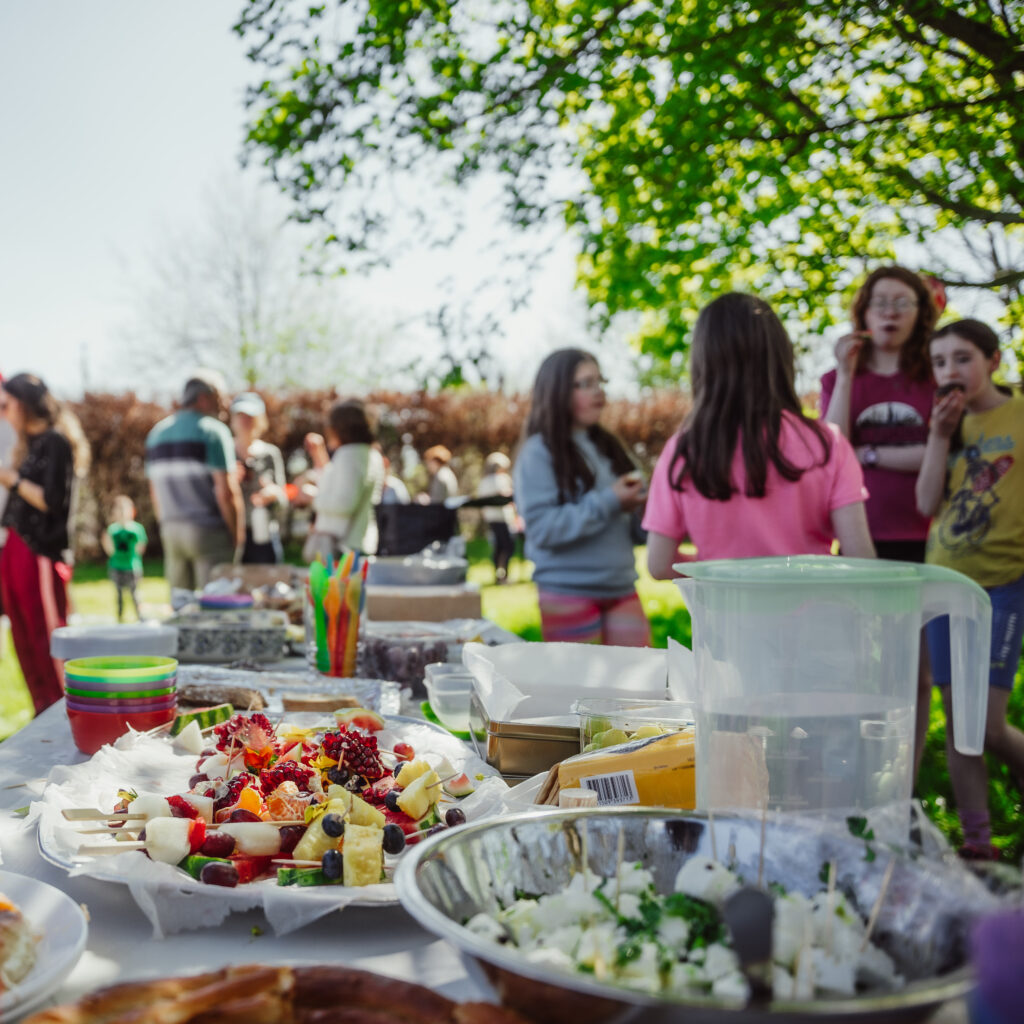
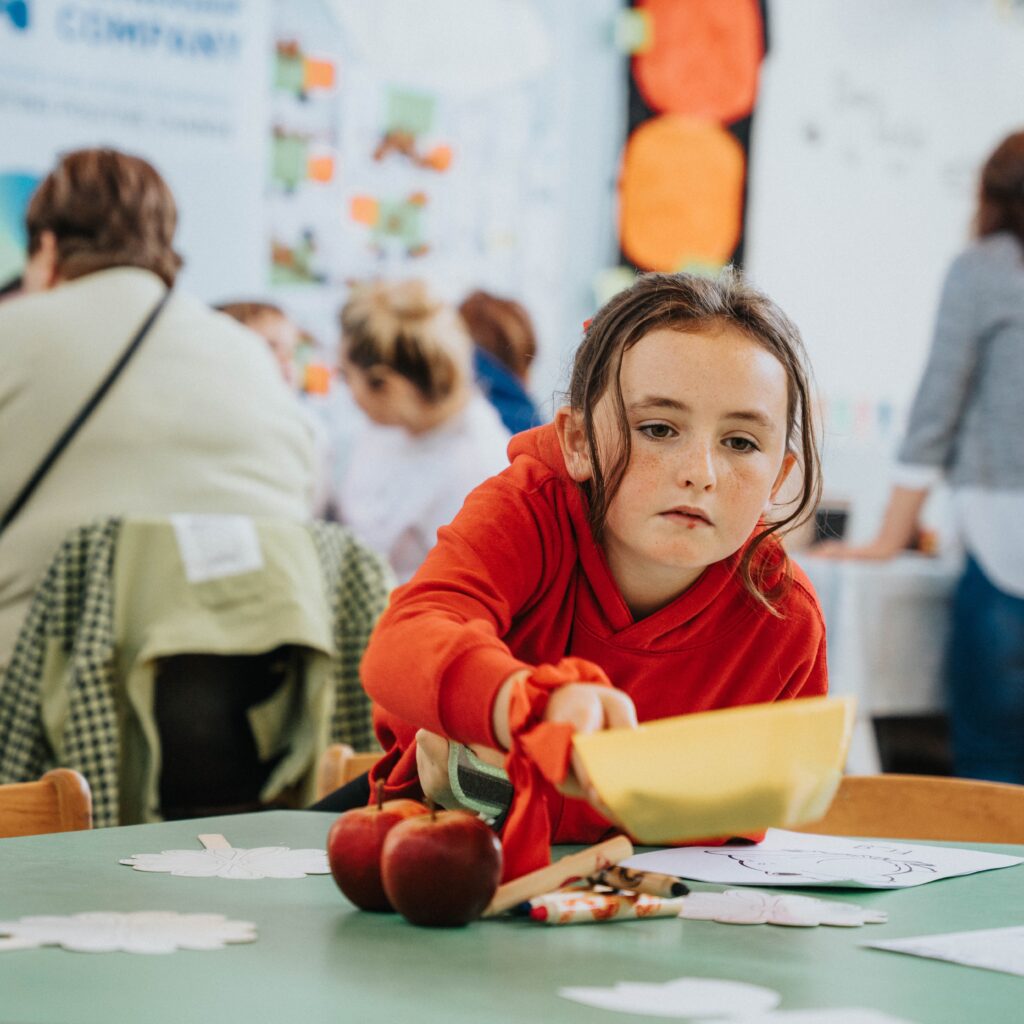
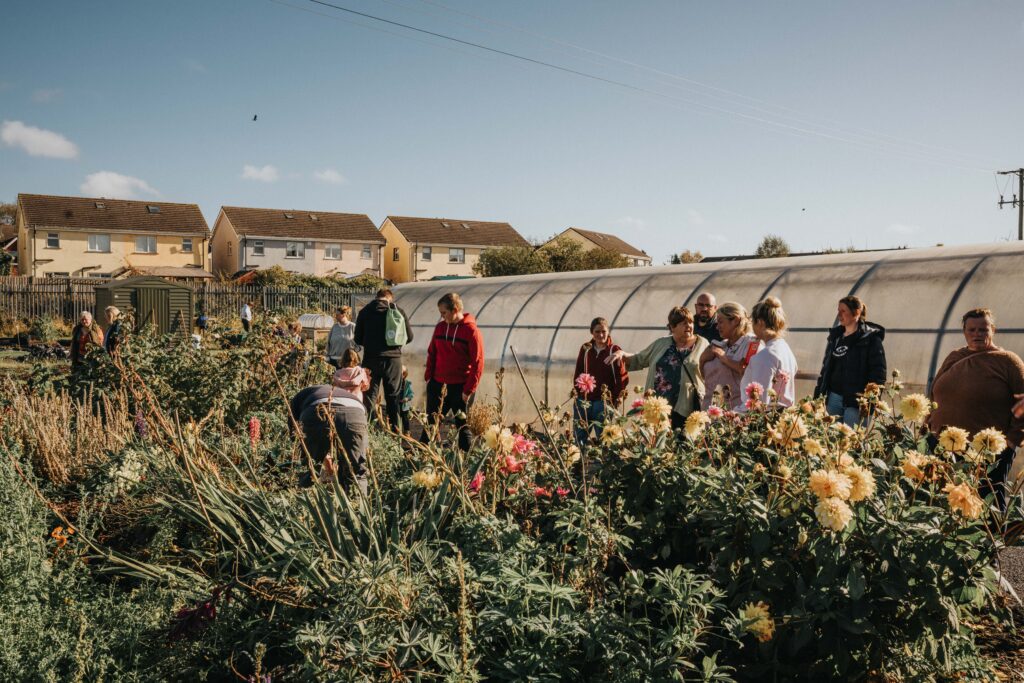
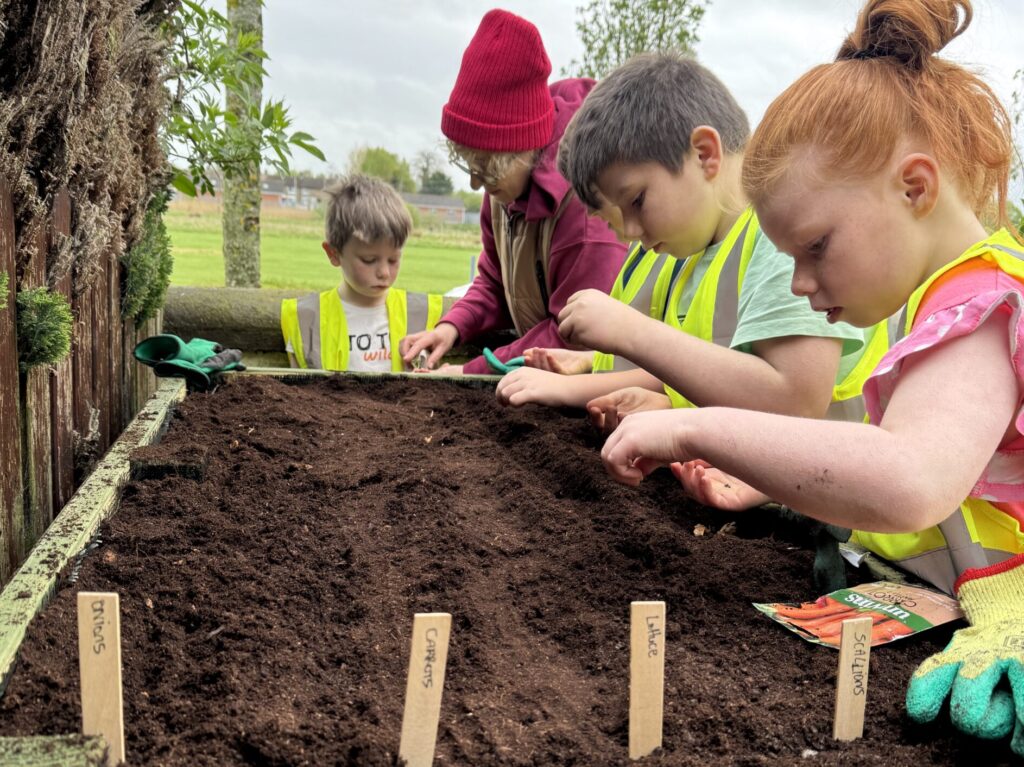
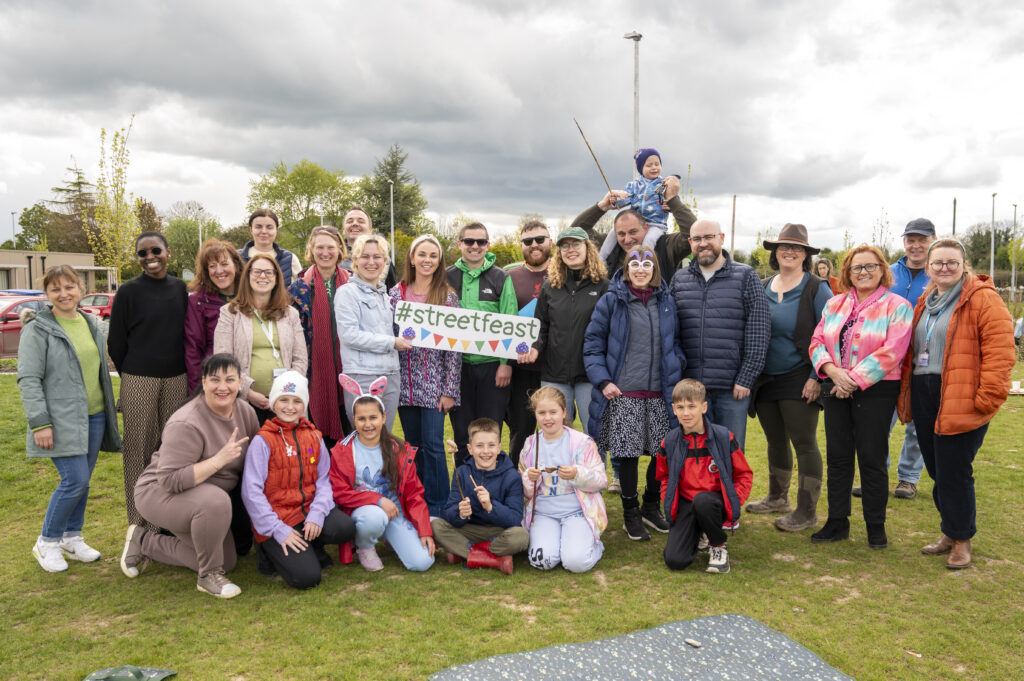
Our Shared Plate is a Neighbourhood Network initiative. It is a community climate action and food resilience initiative that supports communities to grow, cook and eat together. From shared edible gardens to hands-on workshops, we foster sustainability, strengthen communities and build food resilience for the future.
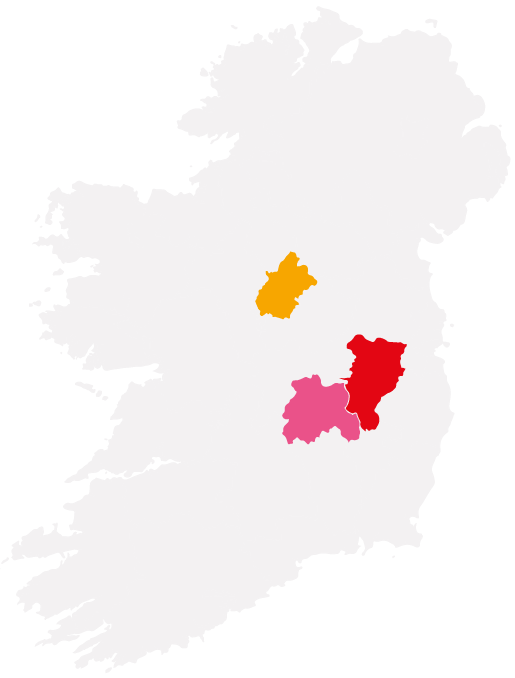
Our Shared Plate began as a pilot programme in 2024, working with neighbourhoods across Laois, Longford and Kildare. Building on the learning from this phase, the project is now growing and evolving, with new communities and activities. This page shares key insights from the pilot alongside what’s next. The pilot was supported by the Department of Environment, Climate & Communications through the Community Climate Action Fund.
Educate communities about food-growing skills and sustainability. Inspire connections through shared meals and spaces. Support environmental resilience with local food production.
Our Shared Plate responds to interconnected challenges facing communities today — including climate change, food insecurity, and social isolation. Learning from the pilot phase has highlighted the value of local, place-based approaches that bring people together through food. By supporting communities to grow, cook, and share food, the project helps build resilience, strengthen wellbeing, and create more sustainable, connected food systems.
Alongside the development of community food-growing spaces, the Our Shared Plate team co-created an educational toolkit and curriculum with participating communities. The Community Workbook is a key output of this process — a practical, reflective resource to support groups in planning, documenting, and developing their growing spaces over time.
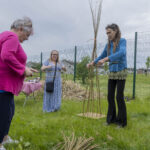
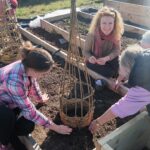
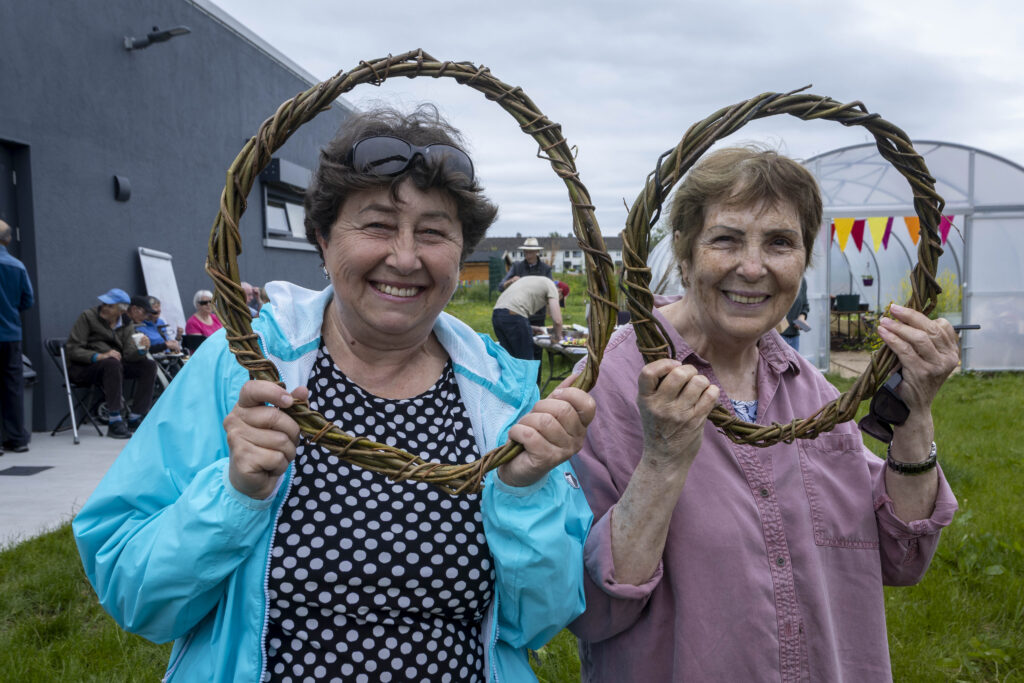
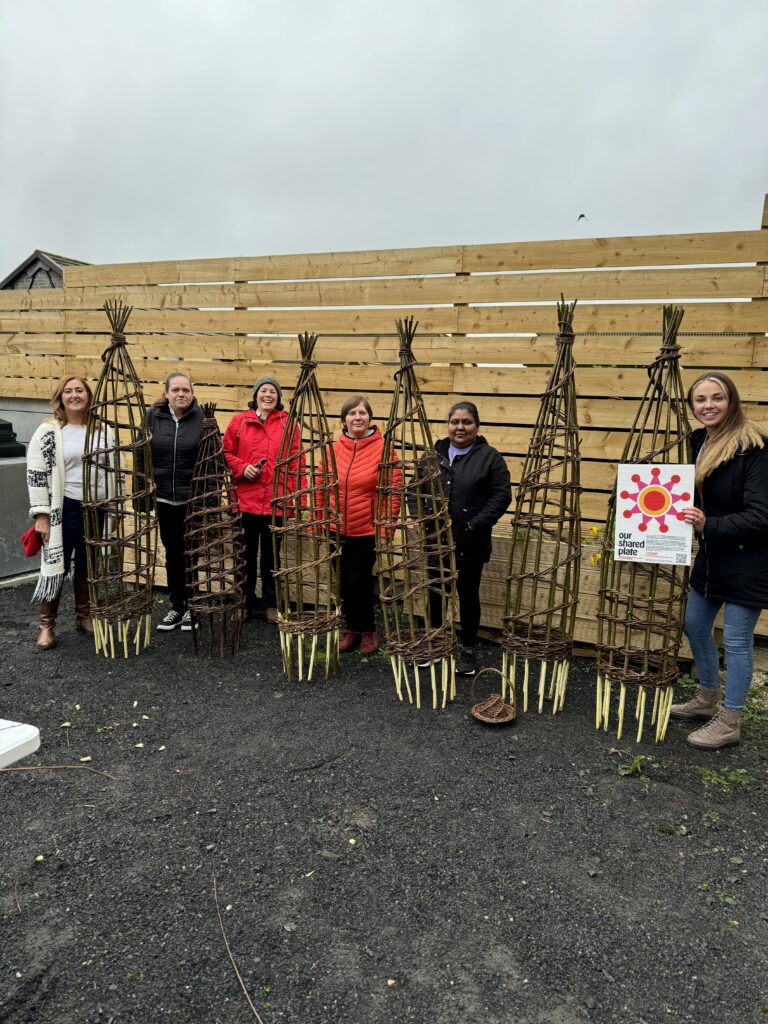
Our Shared Plate workshops are delivered in the spirit of the Irish meitheal — a collaborative approach where people come together through shared effort. Working alongside project partners, communities take part in hands-on sessions that combine learning with action. For example, participants might build a composting area while learning about soil health, food waste, and sustainable growing practices. Each workshop leaves a lasting, practical impact on the space.
Workshops take place throughout the growing season and continue into the quieter winter months, supporting ongoing learning, engagement, and care year-round.
Meitheal refers to a traditional cooperative system where communities come together to support tasks such as planting or harvesting, reflecting a strong ethos of collaboration and shared purpose.
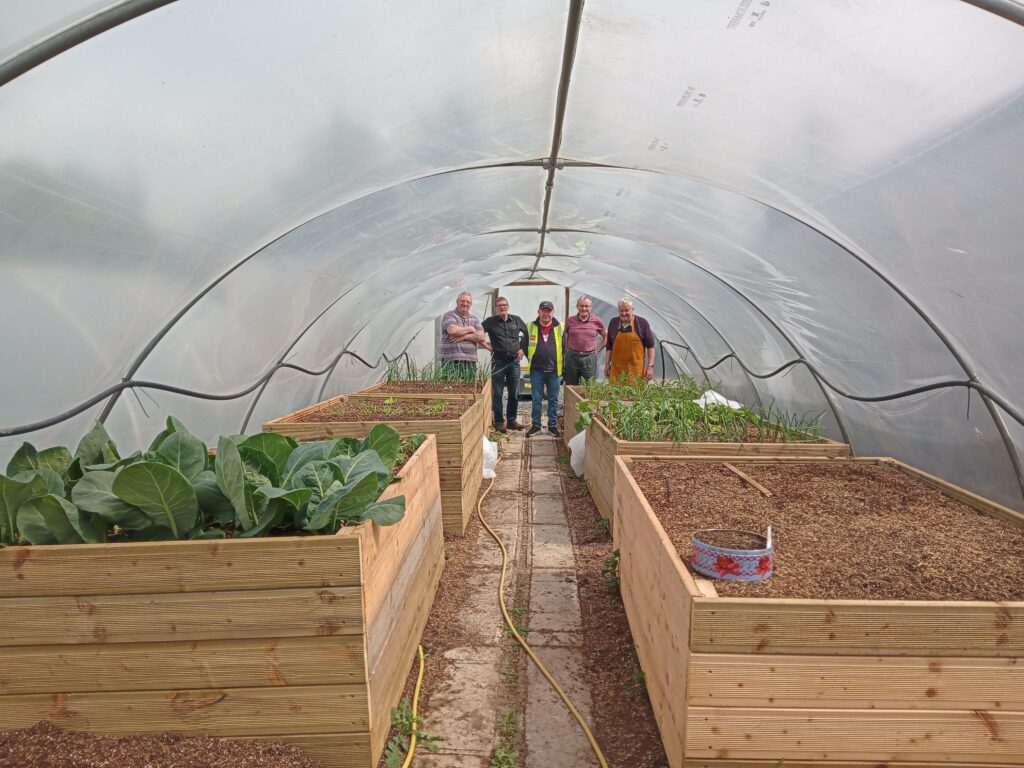
Our Shared Plate began in the Midlands, working with communities across Longford, Kildare and Laois. To date, the project has engaged 15 neighbourhoods — 4 in Longford, 6 in Kildare and 5 in Laois — supporting the development of local food-growing spaces and activities.
During the pilot phase, early engagement sessions explored community priorities around food security and climate action. Feedback highlighted a strong interest in food growing, alongside a clear need for practical, hands-on support. Communities also expressed a desire to incorporate biodiversity, sustainable food practices and intergenerational learning, but often faced challenges in getting started.
Our Shared Plate responds to these needs by providing the scaffolding, resources and guidance to help communities take those first steps and build confidence over time.
Building on this experience, the project continues to deepen its work across these counties while exploring opportunities to expand into new communities.
Building on learning from the pilot phase in Woodstock, Athy, Our Shared Plate is now taking a more focused, collaborative approach in the area. Working alongside local agencies, the project delivers workshops and education around food growing and cooking, with a particular emphasis on supporting youth diversion programmes.
Supported by the Department of Rural and Community Development (DRCD) and a philanthropic partner, this phase focuses on connecting young people with hands-on growing and cooking activities, while expanding accessible growing spaces in the community. By linking youth services with practical food-based learning, the project supports wellbeing, skills development, and a deeper connection to place.
Our Shared Plate is supported by a network of skilled facilitators who bring practical knowledge, creativity, and insight to each community. Working closely with participants, they respond to the unique opportunities and challenges of each space — offering guidance on soil health, biodiversity, sustainable growing practices, cooking, and community-led learning. Their ability to translate knowledge into hands-on, accessible experiences is central to the project’s success.
This work is strengthened through collaboration with project partners, whose local knowledge, facilities, and ongoing support help embed the project within each community and ensure its long-term relevance.
At the heart of the programme, Project Manager Molly Garvey and Community Liaison Officer Claire Williams, alongside the wider team, provide leadership, coordination, and continuity. The team builds trust, supports communities to develop their own ideas, and encourages active participation in workshops and activities. Through this collaborative approach, participants gain the skills, confidence, and connections needed to shape and sustain their local growing spaces.


Our Shared Plate facilitators include: Alex Koeniska, ecologist; Ann Devitt, horticulturist and cook tutor; Lucy Bell, horticulturist; Craig Benton (aka Dr. Compost); Lynn Kirkham, multifaceted artist; and Kitty Scully, organic gardener.
Educational workshops delivered
We’ve gathered a selection of practical tools and materials to support communities in growing, cooking, and sharing food together. Click on the titles below to download the documents. We would also like to thank our Our Shared Plate collaborators and workshop facilitators for the knowledge and expertise they have brought to this work.
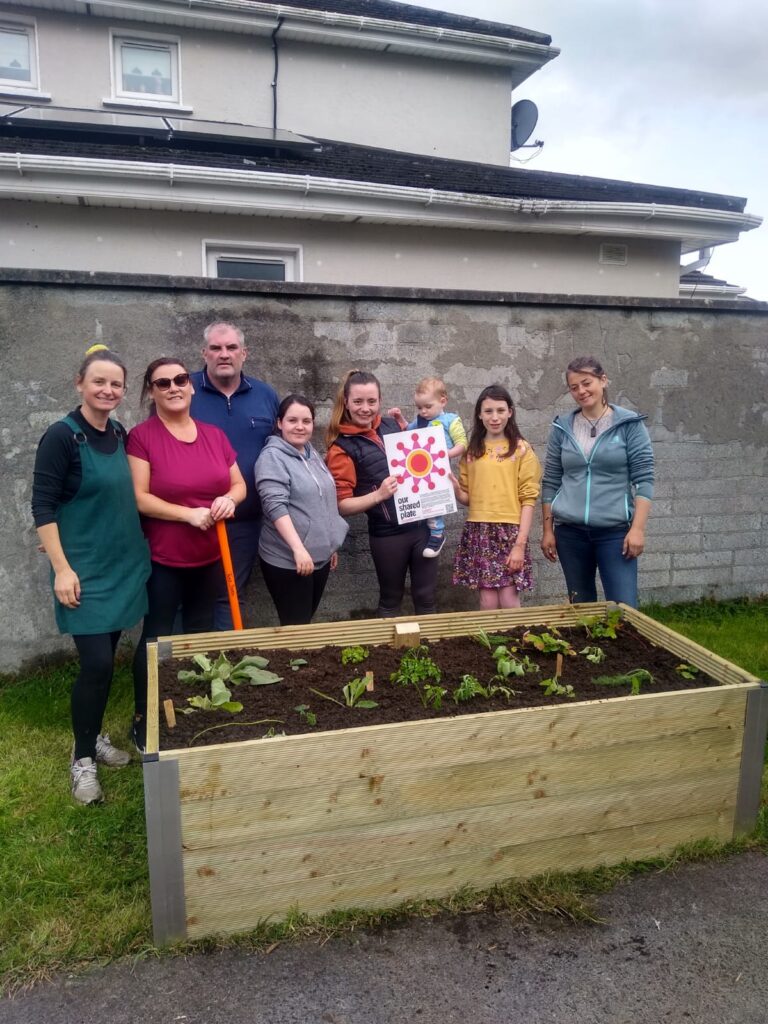
The Our Shared Plate Community Workbook is a hands-on guide for planning and documenting your community food-growing journey. It includes seasonal planting tips, garden planning templates, composting guidance, and reflective activities to support learning and sharing. You can also explore community case studies in the Stories from the Soil section.
During the pilot phase, geographers from Maynooth University — including two professors, 24 postgraduate students and 4 undergraduate researchers — engaged in research alongside communities, learning from local knowledge and lived experience. This collaboration continues, with Maynooth University remaining a key research partner as the project evolves. A central finding from the pilot highlighted the importance of ‘enabling environments’ (Committee on World Food Security, 2014), co-created by Our Shared Plate and residents across participating neighbourhoods. These environments supported the development of more sustainable food communities, with positive environmental, social and intergenerational impacts. Through this process, participants developed skills in community gardening, improving soil health and biodiversity, growing food, reducing waste, facilitating food-sharing events, cooking meals, and sharing seeds and stories.
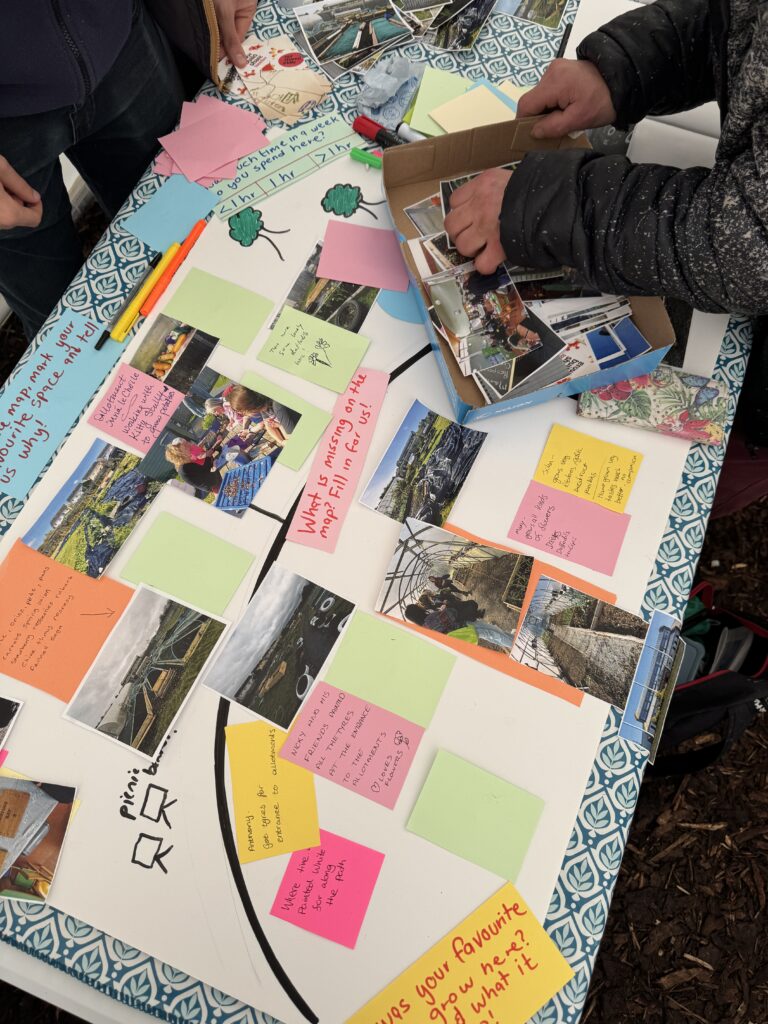
Food audits, mapping exercises and household surveys carried out during the pilot also revealed that many participants already had a strong awareness of the challenges within existing food systems. Affordability and limited access to healthy, local food options were identified as key barriers to food security. While a high proportion of participants were already shopping locally (70% of weekly shoppers and 43% of daily shoppers), there was a clear desire to further support local producers. Overall, participants expressed a strong interest in accessing healthy, locally produced food and reducing their food-related carbon footprint.
Explore a series of blog articles by staff and students from Maynooth University’s Department of Geography, sharing research insights and reflections from the Our Shared Plate project.
1. Building Sustainable Communities through Food Climate Action: Our Shared Plate
4.Building Community through Sharing Food: The Mental Health and Cultural Benefits of Our Shared Plate
As part of our ongoing learning, we developed an Our Shared Plate Food Policy to guide the project’s approach to food, sustainability and community wellbeing. 👉 Download our Food Policy.
In Jennie’s words “Over the past number of months I have been listening to the community which has formed around Our Shared Plate and learning about how food brings us together. Through the relationship with growing and putting our hands into the soil, we form a connection to our host, the earth. This piece is an artistic response to these observations; a story told with interruptions.”

During the pilot phase, Our Shared Plate was supported by Kildare County Council Arts Service to collaborate with artist-in-residence Jennie Moran. Through her practice rooted in hospitality, Jennie brought a deeply human perspective to the project, exploring how we connect through food and shared space.
Her piece, Food is Never Just Food, invites us to rethink the act of feeding ourselves. While we eat to survive, what and how we eat becomes the poetry of our survival — an act shaped by pride and humanity. When words fall short, food becomes a language, telling our story and carrying our past, our connections, and our identity.
We eat the food of the places we long to visit, and when far from home, we seek tastes that bring comfort and familiarity. Meals can be love letters. They can also be expressions of empathy, solidarity — and at times, contention.
Neighbourhood Network is the organisation behind Our Shared Plate. We’re an Irish charity dedicated to building stronger, more connected communities across Ireland.
With thanks to our funders and supporters.


Interested in getting involved in Our Shared Plate? We’re working with communities to grow, cook and share food together. If your group would like to take part, tell us a little about your space or idea below and we’ll be in touch when an opportunity arises to talk about next steps.